“What If I Hurt My Baby?” Understanding Postpartum OCD (and Why These Thoughts Feel So Terrifying)
There’s a moment many new moms don’t talk about.
A thought shows up—
out of nowhere.
What if I hurt my baby?
And everything in your body reacts.
Your stomach drops.
Your heart starts racing.
You feel flooded with fear.
Not because you want to hurt your baby.
But because the thought feels so wrong… and so real.
Postpartum OCD is a form of obsessive-compulsive disorder that can occur after childbirth, often involving intrusive thoughts about harm coming to the baby and compulsive behaviors like checking, avoidance, or reassurance-seeking.

You love your baby. That’s why this feels so terrifying.
What’s Actually Happening
These are intrusive thoughts—
unwanted, distressing thoughts that show up without your permission.
And in postpartum OCD, they often target exactly what matters most:
👉 your baby
👉 your role as a mother
👉 your sense of being safe and trustworthy
OCD is notorious for grabbing onto what matters most—
and then your brain gets stuck trying to make sure nothing goes wrong.
Why This Feels So Intense
Because this isn’t just a random thought.
It collides with everything you care about.
Your instinct to protect.
Your responsibility.
Your love for your baby.
So your brain reacts like:
👉 “We need to figure this out immediately.”
What You Might Notice
You might find yourself:
checking on your baby repeatedly (breathing, safety, positioning)
avoiding being alone with your baby
repeating phrases, prayers, or mental “undoing”
going over the thought trying to make sense of it
And even if part of you knows:
“I would never do that…”
It doesn’t settle.
Because OCD isn’t asking:
👉 “Would you do this?”
It’s asking:
👉 “Can you be 100% certain that you wouldn’t?”
And that’s a question your brain won’t let go of.
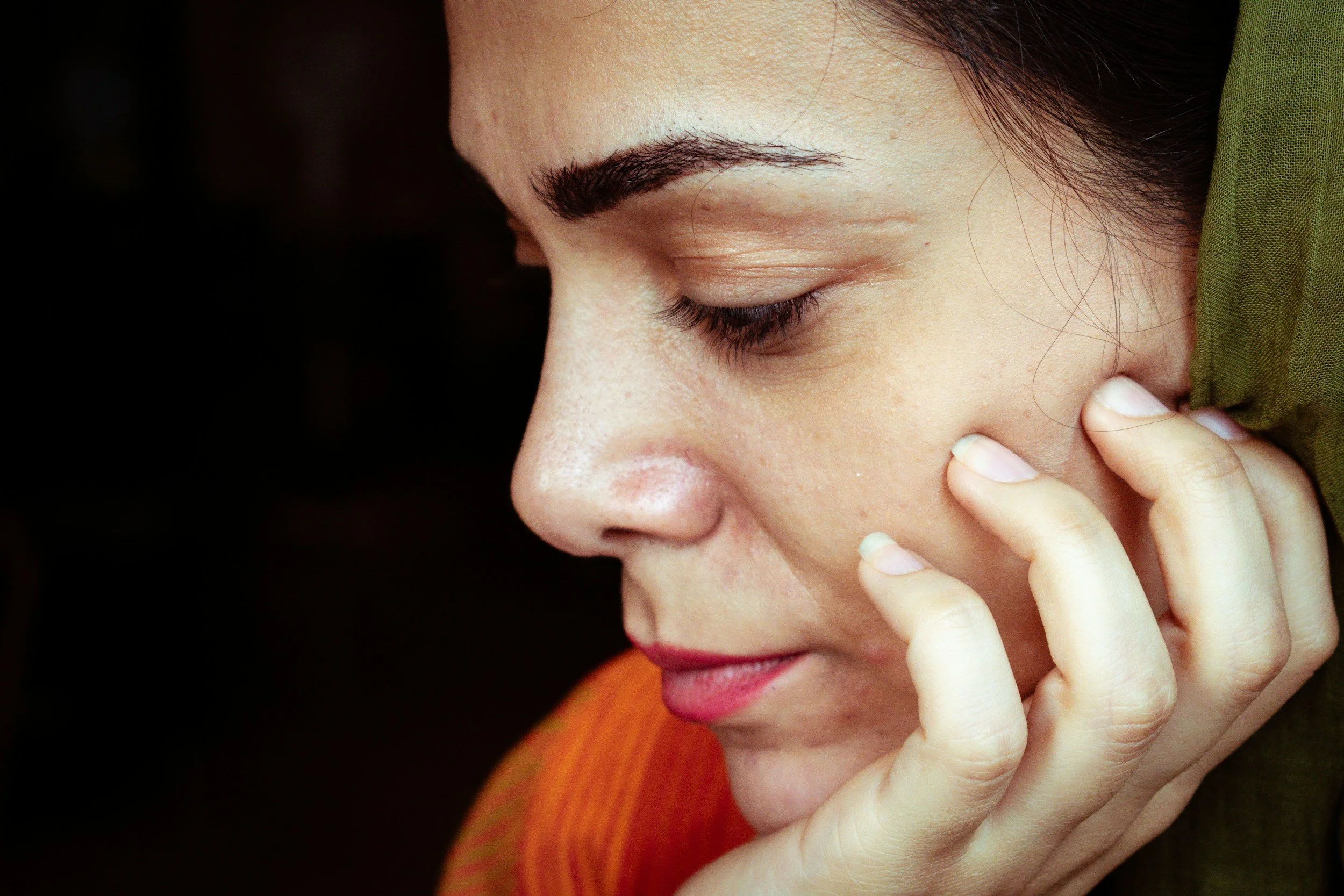
It doesn’t feel like “just a thought.”
The Part No One Tells You
These thoughts feel dangerous.
But they are not a reflection of your character.
In fact—
they tend to show up in people who are deeply caring, protective, and conscientious.
The distress you feel is actually evidence of that.
Why It Starts to Take Over
Because of what happens next.
You try to make it go away.
You try to get certainty.
You try to feel safe again.
And that leads to:
👉 checking
👉 reassurance
👉 avoidance
Which might help for a moment—
But then the thought comes back.
That’s the loop.
The Part That Feels So Hard to Talk About
A lot of moms don’t say anything.
Because of fear:
“What if someone thinks I’m dangerous?”
“What if they take my baby away?”
“What kind of mother thinks this?”
So they carry it alone.
And it gets heavier.

You can feel this—and still show up with your baby.
What Actually Helps
This is where things begin to shift.
Not by trying to get rid of the thought.
But by changing how you respond to it.
This is the work we do in ERP (Exposure and Response Prevention).
Instead of trying to prove you’re safe, you learn how to:
allow the thought to be there
resist the urge to neutralize or check
and stay present with your baby anyway
Not perfectly.
But gradually.
And over time, your brain learns:
👉 “This thought doesn’t need a response.”
And the intensity starts to decrease.
What It’s Like to Work on This
If you were sitting across from me and said:
“I had a thought about hurting my baby…”
I’m not going to look shocked.
I’m not going to question you.
And I’m definitely not going to assume you’re dangerous.
I’ll probably say:
“Yeah… that’s a really common way OCD shows up postpartum.”
And then we’re going to look at:
👉 what the loop is
👉 what the compulsions are
👉 and how we start stepping out of it
Because that’s where change actually happens.
This is also why focused work can be so effective.
We’re not just talking about it.
We’re working with it in real time.
Final Thought
If you’ve had this thought—
You are not alone.
You are not dangerous.
And this is not a reflection of the kind of mother you are.
It’s a pattern your brain got stuck in.
And patterns like this can change.
If you're tired of overthinking, second-guessing yourself, or feeling stuck in the same patterns, know that change is possible.
Through structured, evidence-based therapy, I help women navigate anxiety, OCD, and life's turning points with greater clarity, confidence, and self-trust.
Learn more about working together here.