How Avoidance Keeps OCD and Anxiety Stuck (and What Actually Helps)
Avoidance doesn’t usually feel like a problem.
It feels like relief.
You skip the situation.
You change the plan.
You distract yourself just enough to not feel it.
And almost immediately, your body responds.
Your chest loosens.
Your breathing steadies.
That spike of anxiety drops just enough to feel manageable again.
And in that moment, it feels like:
That was the right move.
But then something subtle starts to happen.
The next time that situation comes up…
the anxiety shows up faster.
And stronger.
And your world starts to adjust around it.
You avoid a little more.
You plan around it.
You shrink things just enough to feel okay.
Until one day, you realize:
it’s not just one thing anymore.
Avoidance doesn’t solve anxiety.
It trains your brain to keep it.

Not this. Anything but this.
What Avoidance Actually Is
Avoidance is anything you do to get away from discomfort.
That can look like:
avoiding places, people, or situations
putting things off because they feel overwhelming
distracting yourself to escape uncomfortable thoughts
mentally “checking out” when something feels too much
And on the surface, it makes sense.
Because avoidance works.
Just like reassurance does.
It gives you relief.
But it also teaches your brain something important:
This isn’t safe. Stay away from it.
How Avoidance Fuels OCD
In OCD, avoidance often becomes part of the compulsion cycle.
Instead of facing the uncertainty…
you move away from it.
If something feels triggering, you avoid it.
If a thought feels uncomfortable, you try not to think it.
If a situation might create doubt, you don’t engage with it.
And for a moment, that works.
But your brain learns:
We avoided this… so it must have been dangerous.
Which makes the next exposure feel even harder.
Over time, this creates a loop:
trigger → anxiety → avoidance → relief → repeat
And just like reassurance-seeking…
the relief is real.
But it’s temporary.

It works. But your world gets smaller.
How Avoidance Fuels Anxiety
Even outside of OCD, avoidance follows the same pattern.
You avoid something uncomfortable → you feel better → your brain reinforces the avoidance.
But there’s a cost.
Every time you avoid something, you lose the opportunity to learn:
I can handle this.
And over time, your confidence starts to shrink.
Your comfort zone gets smaller.
Your anxiety gets louder.
And things that once felt manageable start to feel overwhelming.
Avoidance doesn’t just maintain anxiety.
It expands it.
The Short-Term Relief Trap
Avoidance works in the moment.
That’s why it’s so hard to let go of.
But what it’s actually doing is borrowing relief from the future.
Because every time you avoid something, you reinforce the belief:
I couldn’t handle that.
And the next time?
You’re even less likely to try.
Not because you’re incapable.
But because your brain has been trained not to.
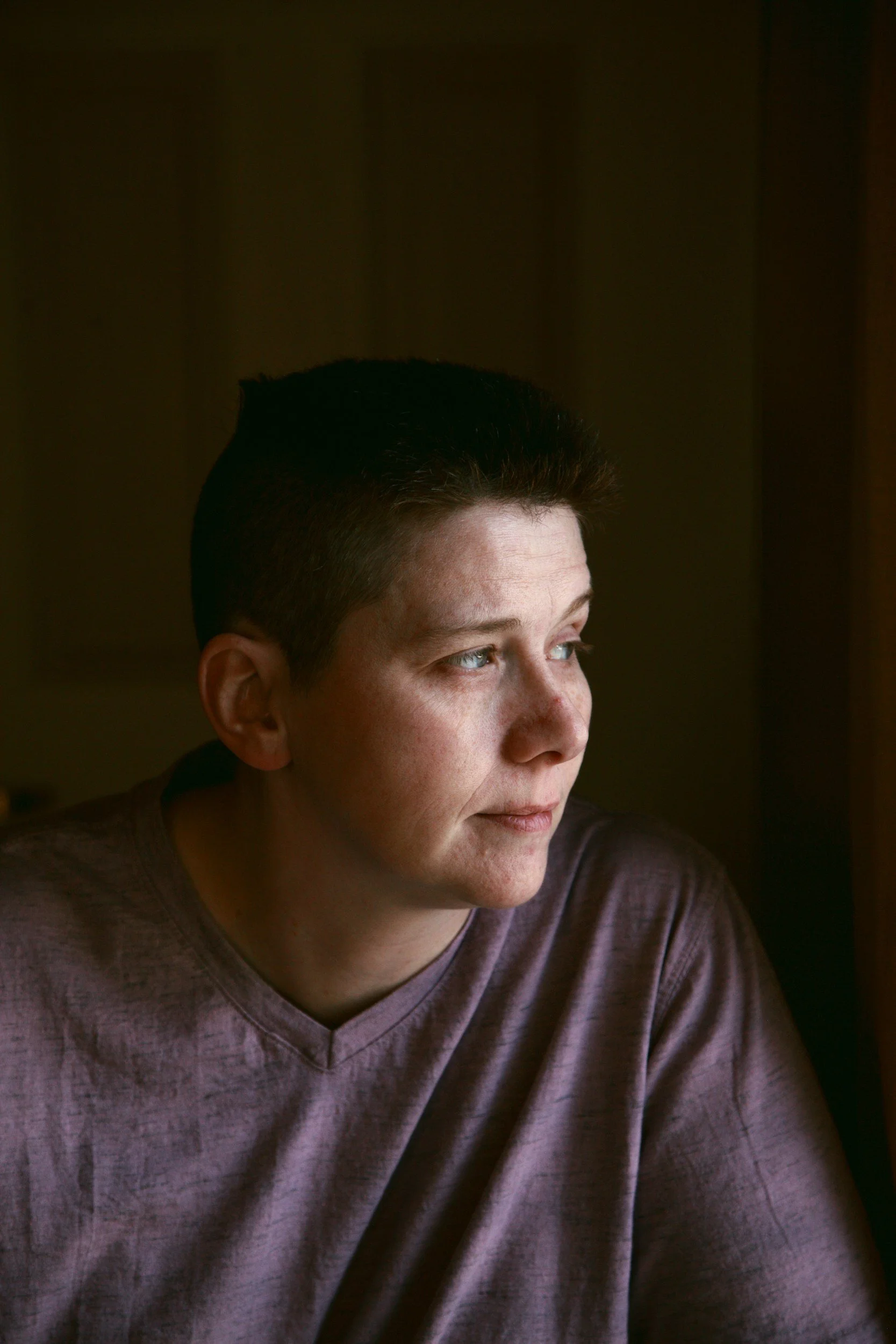
What if avoiding it… is what’s keeping it going?
What Actually Helps You Break the Cycle
Breaking avoidance isn’t about forcing yourself into overwhelming situations.
It’s about changing how you relate to the urge to escape.
Notice the moment
That pull to cancel, avoid, distract, or back out.
Pause (even briefly)
Not to force yourself to act—but to recognize what’s happening.
Start smaller than you think
You don’t need to face the biggest fear first.
Just take one step toward it.
Let the discomfort be there
Without immediately trying to make it go away.
Keep moving anyway
Even if the anxiety comes with you.
Because that’s the shift:
Not “I’m not anxious anymore.”
But:
“I can be anxious and still live my life.”
Why This Matters in Therapy
Avoidance is one of the biggest things that slows progress in therapy.
Because approaches like ERP are designed to help you face what feels uncomfortable—
and stay there long enough for your brain to learn something new.
If avoidance is still happening, that learning gets interrupted.
But when you begin to step back from avoidance—
even imperfectly—
something changes.
You experience the anxiety…
and then you watch it pass.
Not because you escaped it.
But because your nervous system learned it didn’t need to.
That’s where confidence comes from.
And this is also why more focused, structured work can be so effective.
Because we’re not just talking about these patterns.
We’re actively working with them in real time.

Nothing changed. Except how you respond.
Final Thoughts
Avoidance doesn’t mean something is wrong with you.
It means your brain is trying to protect you.
It’s just using a strategy that no longer works.
And change doesn’t happen all at once.
It happens in small moments where you choose:
to stay
instead of leave
to feel
instead of avoid
to move forward
even with uncertainty
That’s how your world starts to expand again.
And if you’re noticing this pattern in your own life, that awareness matters.
It’s the first step toward doing something different.
If you're tired of overthinking, second-guessing yourself, or feeling stuck in the same patterns, know that change is possible.
Through structured, evidence-based therapy, I help women navigate anxiety, OCD, and life's turning points with greater clarity, confidence, and self-trust.
Learn more about working together here.