ChatGPT Keeps Answering Me… So Why Do I Still Feel Stuck?
Reassurance seeking in anxiety and OCD—and how using AI can quietly keep the cycle going
If you’ve ever opened ChatGPT to ask:
“Is this normal?”
“What does this thought mean?”
“Am I making the wrong decision?”
“Can you help me figure this out?”
…and felt a sense of relief when you got an answer…
only to find yourself coming back again later…
👉 you’re not alone.
Many people navigating anxiety, intrusive thoughts, or OCD find themselves turning to tools like ChatGPT for reassurance and clarity—sometimes without even realizing how quickly it becomes part of how they cope.
And at first, it can feel incredibly helpful.
Clear answers.
Logical explanations.
A sense that things finally make sense.
But then something frustrating happens:
👉 the relief doesn’t last.
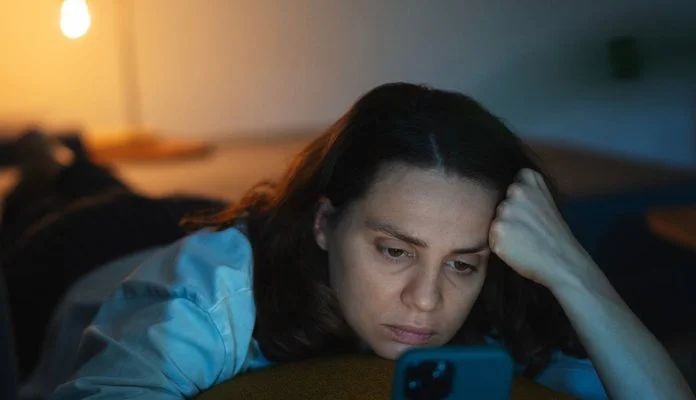
When the answer helps… but only for a little while.
Why ChatGPT Feels So Helpful (At First)
When anxiety or intrusive thoughts show up, your brain is trying to solve something that feels urgent.
What does this mean?
What if I’m wrong?
What if something bad happens?
ChatGPT steps in and offers:
✔ clarity
✔ structure
✔ reassurance
✔ immediate answers
And for a moment, things feel better.
The Pattern Most People Don’t Realize They’re In
If you zoom out, a pattern often starts to form:
Thought → anxiety → ask ChatGPT → relief → doubt returns → repeat
You might notice:
asking the same question in slightly different ways
needing to double-check the answer
feeling unsure again shortly after getting clarity
coming back to “just make sure”
This isn’t a lack of discipline or willpower.
👉 It’s a very common pattern called reassurance seeking.
What Is Reassurance Seeking?
Reassurance seeking is when you try to reduce anxiety by getting certainty from outside yourself.
This can look like:
asking friends or partners for confirmation
Googling symptoms or scenarios
replaying conversations in your head
or increasingly, asking AI tools like ChatGPT
And it makes sense.
When something feels uncertain or uncomfortable, your brain wants relief.
The Hard Part: Why It Doesn’t Actually Work
Here’s the frustrating reality:
👉 reassurance works… but only temporarily.
Each time you get an answer, your brain learns:
✔ “This helped me feel better”
✔ “I should do this again next time”
But it also learns something else:
❗ “I can’t handle this uncertainty on my own”
So the next time the thought shows up?
👉 it feels just as urgent (or even more)
It’s Not the Tool—It’s the Role It’s Playing
ChatGPT isn’t the problem.
👉 The role it’s playing is.
If it’s being used to:
resolve uncertainty
eliminate doubt
“figure out” intrusive thoughts
…it can quietly become part of the same cycle that keeps anxiety or OCD going.
Where This Shows Up Most
This pattern is especially common in:
Relationship OCD (ROCD)
(“Do I love them enough?” “Is this the right relationship?”)Health anxiety
(“Is this symptom serious?”)Moral or harm OCD
(“What does this thought say about me?”)Generalized anxiety / overthinking
(“What’s the right decision?”)
The content of the question changes.
👉 The pattern underneath stays the same.

What happens when you pause instead of trying to figure it out?
A Different Way to Understand What’s Happening
If this is familiar, it doesn’t mean you’re doing something wrong.
It means your brain is trying to protect you by:
👉 reducing uncertainty
👉 preventing mistakes
👉 helping you feel safe
The problem is:
👉 it’s using a strategy that accidentally keeps the cycle going
What Actually Helps (Instead)
The shift isn’t about getting better answers.
👉 It’s about changing your relationship to the questions.
This is where evidence-based approaches like:
Exposure and Response Prevention (ERP)
Acceptance and Commitment Therapy (ACT)
come in.
Instead of trying to:
❌ solve every thought
❌ eliminate uncertainty
❌ find the “right” answer
You learn how to:
✔ tolerate uncertainty
✔ stop engaging in reassurance loops
✔ respond differently to intrusive thoughts
✔ build trust in your ability to handle discomfort
A Small Shift You Can Start With
The next time you feel the urge to ask:
👉 “Can you help me figure this out?”
Pause (even briefly) and notice:
What am I hoping to feel after I get the answer?
How long does that relief usually last?
You don’t have to stop completely.
(No need to go from 100 → 0 overnight.)
But noticing the pattern?
👉 That’s where things start to shift.
A Quick Way to Tell If This Has Become a Pattern
If you’re not sure whether your ChatGPT use is actually helping—or quietly keeping you stuck—you can try a simple question:
👉 “What happens if I don’t do this?”
If the answer is:
“I’d feel really uncomfortable”
“I wouldn’t be able to stop thinking about it”
“I need to know right now”
That’s often a sign the behavior has become more than just helpful—it may be functioning like a compulsion.
You can also try a small experiment:
👉 delay asking.
Notice what happens.
Most people will feel uncomfortable at first (that’s expected), but are able to return to their day within a few minutes to an hour.
If the distress feels intense, sticky, or hard to move through—even with time—that’s important information.
It doesn’t mean anything is wrong with you.
👉 It means this pattern may need a different kind of support.
If This Feels Familiar
If you’re finding yourself stuck in this loop—whether with ChatGPT, Google, or your own thoughts—you’re not alone.
And you’re not stuck.
If you're tired of overthinking, second-guessing yourself, or feeling stuck in the same patterns, know that change is possible.
Through structured, evidence-based therapy, I help women navigate anxiety, OCD, and life's turning points with greater clarity, confidence, and self-trust.
Learn more about working together here.